How to make successful collaborations between computational biologists and experimentalists?
A 10 Simple Rules Educational Series
Matthias König 
Humboldt-Universität zu Berlin, Faculty of Life Science, Institute of Biology, ITB
University of Stuttgart, Institute of Structural Mechanics and Dynamics in Aerospace Engineering
January 20, 2026
1: Collaboration1
You must choose your collaboration partners wisely.

- most frictions arise from different expections
- communication is key (early, often)
Actionable items
- Openly discuss expectations
- Be transparent
- Agree on funding sources
2: Data/Metadata
Partners must agree on data and metadata.
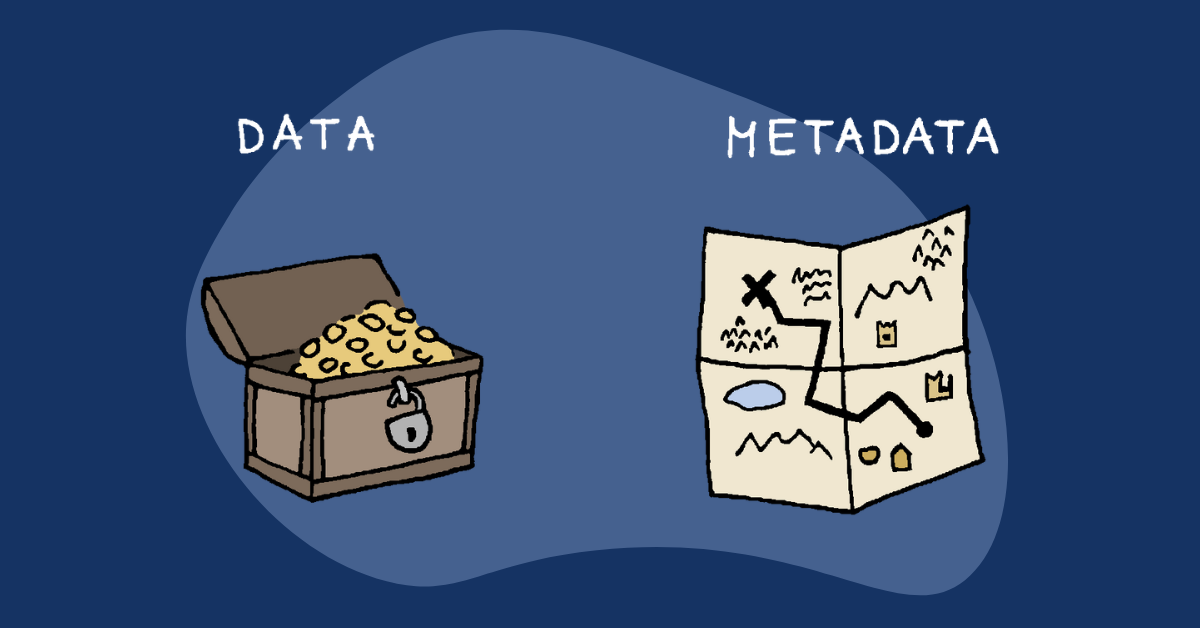
- Data and metadata are the items which are exchanged.
Actionable items
- Follow the FAIR guidelines1
- Define file formats and file naming policies
- Follow good practises (e.g. for spreadsheets and sensitive data)
3: Publication
Publication policies must be clearly defined.

- Agree on research dissemination.
- Discuss authorships and contribution policies.
Actionable items
- Embrace author contribution taxonomies like CRediT1 (https:// credit.niso.org/)
- Re-evaluate on major changes.
4: Experimental Design
Experimental designs must be defined by all partners.

- Discuss the experimental designs early.
- Involve computational biologists.
Actionable items
- Include test and pilot experiments in your experimental design
5: Project Management
Partners must agree on project and time management.
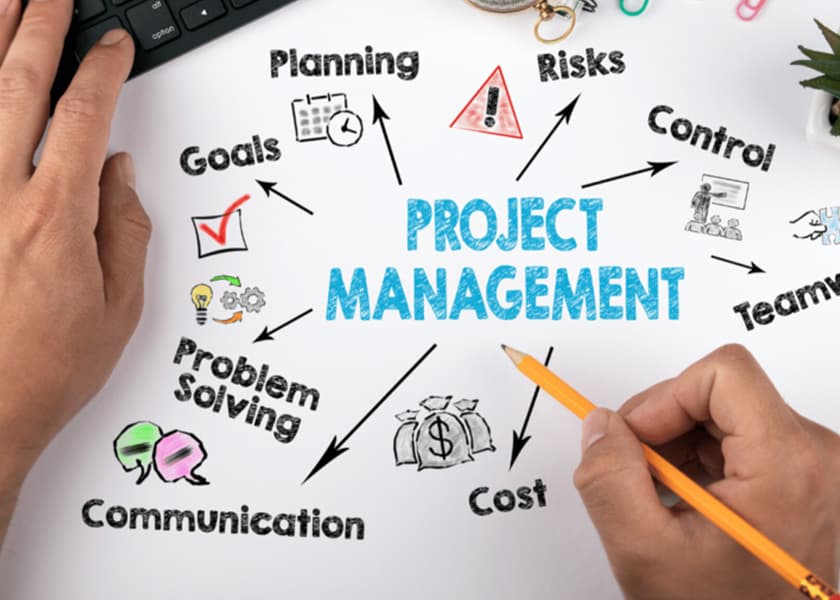
- Agree on milestones and timelines.
- Work collaboratively.
Actionable items
- Use online project planners (i.e., Trello, GitHub projects);
- use multiuser online text editors (i.e., Google Docs, Overleaf) to draft manuscripts and other documents
6: Communication
Early and open communication is essential for success.

- Communicate early, openly, and often enough.
Actionable items
- Adhere to effective meetings1
- Adhere to written interactions guidelines2
7: Reproducible Science
Open and reproducible Science is essential.

- Follow open and reproducible science guidelines.
Actionable items
- Use version control (i.e., GitHub, BitBucket, GitLab)
- include reproducible and versioned software installation steps
- create an analysis workflows that can easily be rerun
8: Transparency/Trust
Transparency and trust is important.

- Establish the transparency and trust required for constructive feedback.
Actionable items
- Share all raw and processed data (Open Data)
- Listen to and acknowledge dissenting opinions
9: Respect
Respect and appreciation of partners is essential.
- Be respectful and show appreciation.
Actionable items
- Be respectful
- Be aware of common cognitive biases (e.g. impostor syndrome1 and Dunning–Kruger effect2)
10: Learn as a Team
Collaboration is a learning process in a group.

- Learn as a team
Actionable items
- Add explanatory comments to the analysis code
- Do not shy away from asking what you do not understand
- Commit to answering basic and advanced questions about the analysis
Contact


:::
::: :::